Reflections
Reflection for the Vigil of Saints Peter and Paul

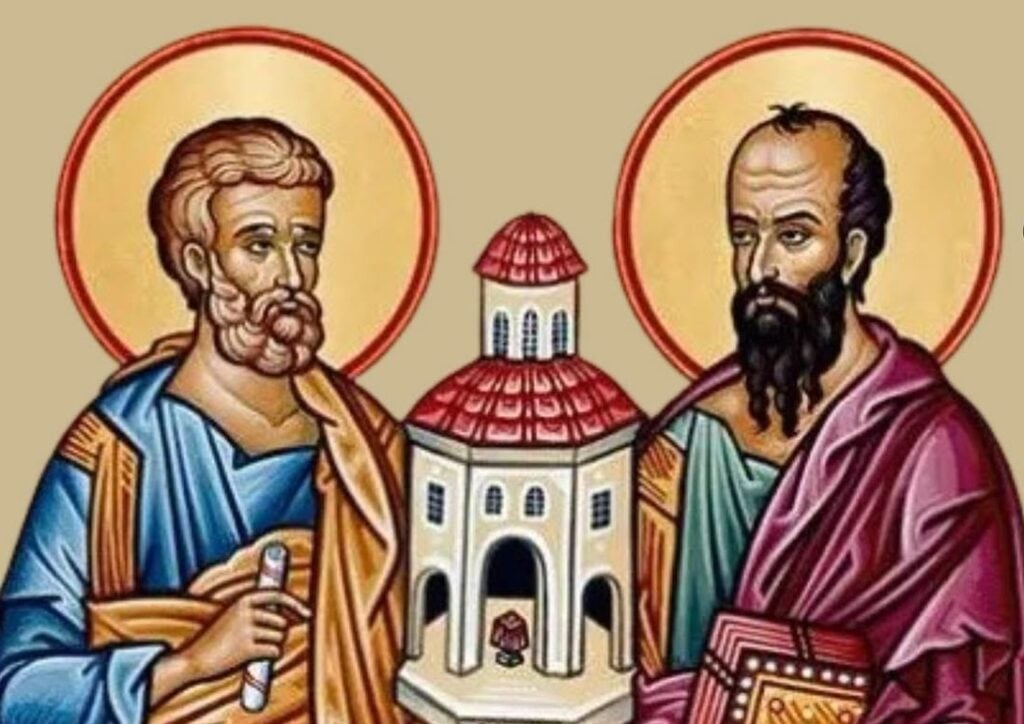
Tomorrow the Church celebrates the feast of Sts. Peter and Paul, two very different apostles who were called by God to share in the same mission. Like our own community, the Church has always been made up of people with different personalities, gifts, and stories. Both our Gospel and first reading place Peter before Paul, so I would like to remain with him for a few moments.
The Gospel begins with a question: “Who do people say that the Son of Man is?” The disciples immediately have an answer. Everyone has an opinion about Jesus. Everyone has a label to give him.
Then Jesus makes it personal:
“But who do you say that I am?”
I think there is an important lesson here for community life. It is very easy to know people through what others say about them. In every community, people acquire reputations. Sometimes those reputations are accurate; sometimes they are incomplete; and sometimes they are simply outdated. A person may still be remembered for something she did years ago or for the person she used to be.
I don’t think anyone would expect me to be the same person I was in college. I believe I have grown and changed. I certainly hope that God’s grace has continued its work in me. And I hope we can extend that same hope to one another.
In the same way, Jesus does not rely on what “people say.” He prefers to enter into a personal relationship. He asks the disciples to move beyond hearsay and into encounter because faith cannot rest on the opinions of others. Every disciple must answer the question personally: “Who do you say that I am?”
Benedictine community life calls us to do the same. Stability allows us the time to know each other. But we have to allow people to surprise us, to grow, to become more than the stories we have heard or the mistakes we remember.
In the Gospel Peter says, “You are the Messiah, the Son of the living God.” Jesus replies that this knowledge did not come from “flesh and blood” but from the Father. That revelation came through Peter’s relationship with him. Peter sees Jesus because he has walked with him, listened to him, and remained with him.
Then Jesus does something extraordinary. He says,
“You are Peter, and upon this rock I will build my Church.”
Jesus did not say, “Peter, you are impulsive. You tend to speak before thinking. And you will eventually abandon me.” Although all of this would prove true, Jesus did not define Peter by his mistakes. He sees the whole person: his weaknesses but also his possibilities. He sees not only the fisherman standing before him, but the rock he would become by grace.
That is good news for all of us! God builds the Church through imperfect people. Our weaknesses do not disqualify us from community. Our calling to monastic life came long before we felt ready. Christ does not call perfect people. God calls people who are still growing.
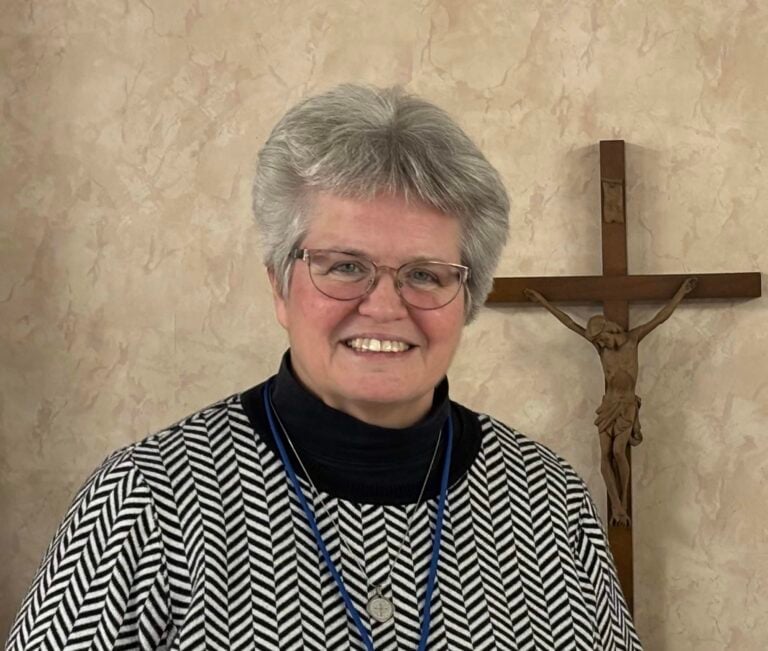
I have experienced something like that myself. When I came here five years ago, Esther did not ask me about my accomplishments or my failures. She did not even rely on what my superior said of me. She asked me a much simpler question:
“Do you want to seek God?”
Both the gospel and Esther’s example present to me a twofold invitation: to know Christ personally rather than through the opinions of others and to see myself and others as Christ sees us, not how we were in the past, not reduced to our weaknesses, but always capable of becoming something new in the hands of God.
Peter and Paul did not always think alike. The New Testament does not hide their disagreements. Yet the Church remembers them together because the call of God does not require sameness. God called each of them, and each loved and served according to the gifts he received. Perhaps that is the most important lesson of this feast for me: We are all unique individuals, with our own stories, personalities, and gifts. But as we seek God together, we allow Christ to keep shaping us so that our differences become gifts that strengthen our community.